Table of Contents
Guide To Starting Your Own Candy Business
More InfoOpening a candy store sounds, at first glance, like one of the more joyful ways to become a business owner.
And in many ways, it is.
Few businesses operate in such an emotionally positive space. Candy brings people together. It sparks nostalgia. It turns ordinary outings into small celebrations. Families wander in together. Vacationers stop spontaneously. Gift buyers look for something memorable. The atmosphere feels lighter than many other retail or food concepts, which is exactly why so many entrepreneurs are drawn to the category.
But that emotional appeal can also create assumptions.
Because candy feels fun, many prospective owners assume the business itself must be simpler. Easier than opening a restaurant. Less operationally demanding than foodservice. More straightforward than other retail investments.
The reality is a little more nuanced.
If you are researching the cost to open a candy store franchise, the smartest question is not simply how much it costs to get started.
It is what you are actually investing in.
That distinction matters because not all candy businesses are built the same way. Some are relatively simple resale retail concepts. Others are immersive guest experiences designed to drive repeat visits, impulse purchases, gifting behavior, and destination traffic.
The startup cost reflects that difference.
What Does It Cost to Open a Candy Store Franchise?
Candy store franchise startup costs can vary widely depending on the concept, market, location, and overall business model.
For River Street Sweets®, the estimated initial investment ranges from $474,050 to $920,500, according to the Franchise Disclosure Document, including the $40,000 initial franchise fee .
That investment includes the many moving pieces required to bring a business like this to life, including real estate expenses, leasehold improvements, furniture and fixtures, equipment, initial inventory, launch marketing, and additional working capital to support operations in the early stages.
For entrepreneurs unfamiliar with experiential retail or specialty food concepts, that number may feel higher than expected.
That reaction is understandable.
But startup cost only becomes meaningful when paired with context.
A candy franchise is not simply about opening a storefront and filling shelves with product. The real investment depends on the kind of guest experience the business is designed to create.
Why Candy Businesses Are Often More Complex Than They Appear
From the outside, candy businesses can look deceptively simple.
Bright displays. Smiling guests. Product lined neatly across shelves.
Compared to a full-service restaurant, the concept can feel refreshingly uncomplicated.
But the operational reality depends heavily on the business model behind the brand.
A simple packaged candy retailer has very different infrastructure needs than a handcrafted confection concept. Some businesses focus primarily on resale inventory with relatively straightforward merchandising. Others require food-safe production environments, ingredient sourcing, equipment, refrigeration, preparation workflows, and staff training that extends well beyond basic retail operations.
River Street Sweets® falls into the latter category.
This is not simply a store where guests browse packaged treats and head to checkout. The brand was built around handcrafted Southern sweets, guest interaction, and a more immersive in-person experience.
That naturally creates more operational depth.
It also creates a very different business opportunity.
What Actually Drives Startup Costs?
When entrepreneurs first evaluate franchise investments, the franchise fee often gets the most attention.
In reality, that is just one line item in a much larger picture.
Location, for example, plays an especially important role in this category. Candy businesses often benefit from visibility, pedestrian traffic, tourism, family activity, and spontaneous discovery. A well-positioned location does not simply provide access. It helps shape how guests interact with the brand.
Then there is the physical buildout itself.
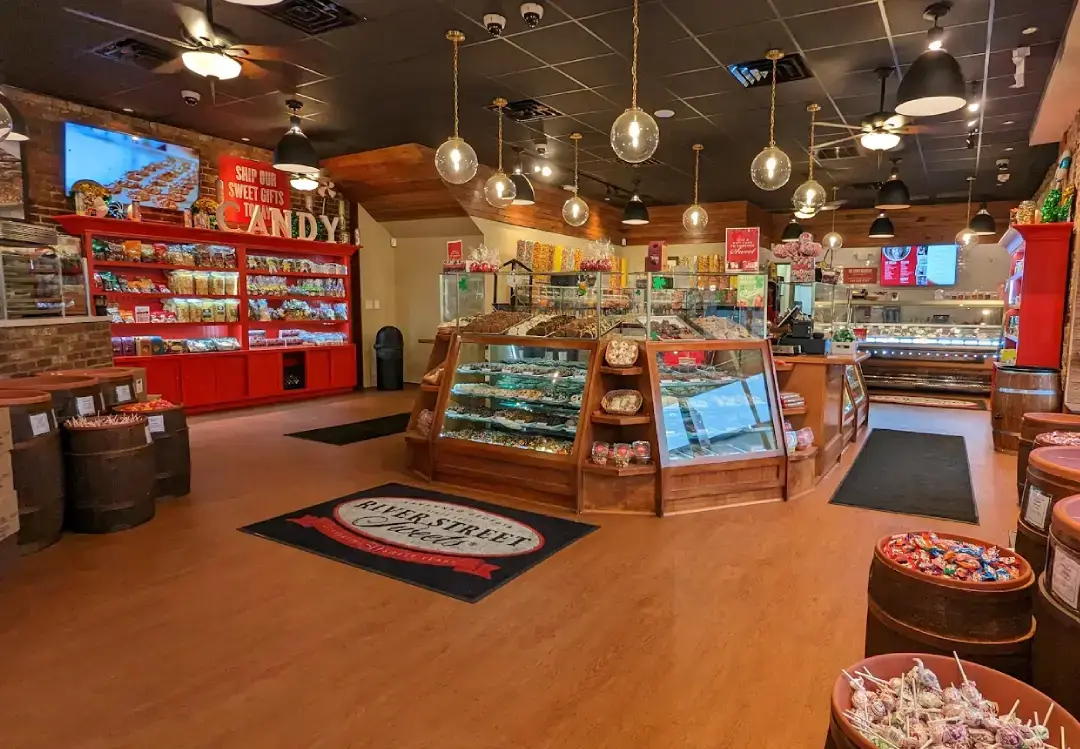
In experiential retail, the environment matters. The way guests move through the space, how products are displayed, how the brand feels visually, and how memorable the visit becomes all contribute to performance. This is not simply about utility. The store becomes part of the experience.
Equipment and infrastructure also influence investment. Businesses centered around handcrafted confections or food preparation require more than shelving and signage. Product diversity can also affect inventory planning, particularly when a concept includes multiple confection categories, gifting products, or frozen offerings.
And like any new business, startup costs extend beyond opening day. Working capital exists for a reason. Staffing, utilities, supplies, and operational expenses all matter while a new location builds momentum.
The smartest entrepreneurs understand that startup investment is not just about opening a business. It is about giving that business enough foundation to operate effectively.
Why Some Candy Franchises Cost Less Than Others
One of the easiest mistakes entrepreneurs make is assuming lower startup cost automatically means better value.
In reality, lower-cost candy concepts are often built around entirely different operating models.
A simpler retail store selling packaged novelty candy may require less infrastructure, less equipment, and less operational complexity. That naturally reduces startup costs.
But simpler does not always mean stronger.
The bigger question is what kind of customer behavior the business is designed to create.
Transactional retail businesses rely on convenience and straightforward purchasing behavior.
Experiential concepts rely on something different. Emotional engagement. Discovery. Gifting. Repeat visits. Destination appeal.
Those are fundamentally different business models, which is why comparing investment ranges without comparing business structure can be misleading.
What Are You Really Investing In With River Street Sweets®?
This is where cost becomes a much more interesting conversation.
River Street Sweets® was founded in Savannah in 1973 as a family business rooted in handmade Southern sweets, hospitality, and guest experience .
That origin story still shapes the brand today.
Guests are not simply making a purchase.
They are stepping into an experience built around indulgence, nostalgia, gifting, family traditions, and memorable moments.
That emotional layer matters more than many entrepreneurs initially realize.
Businesses that create emotional connection often behave differently than purely transactional ones. People are more likely to revisit them. More likely to bring others along. More likely to make spontaneous purchases. More likely to associate the experience with celebrations or traditions.
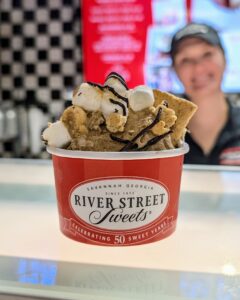
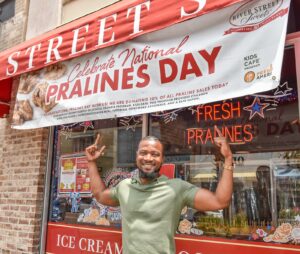
River Street Sweets® also benefits from a broad product mix that supports different purchase occasions throughout the year. Guests may come for chocolates, pralines, fudge, saltwater taffy, ice cream, or premium gifting products. That variety creates flexibility in how consumers engage with the brand.
So while the investment conversation often starts with numbers, the bigger story is about what the business is built to do.
Is Franchising Smarter Than Starting a Candy Store From Scratch?
Some entrepreneurs researching startup costs are comparing franchise ownership against launching an independent candy business.
That comparison is worth making.
Starting independently offers creative freedom, but it also means building everything yourself. Branding. Supplier relationships. Product sourcing. Merchandising strategy. Training systems. Marketing plans. Operational workflows. Site selection. Hiring processes. Launch execution.
For some entrepreneurs, that challenge is appealing.
For others, it introduces avoidable complexity.
Franchising offers a different path.
Instead of building from scratch, you step into an established operating model with defined systems and support.
River Street Sweets® provides approximately three weeks of training in Savannah, followed by on-site opening support and additional in-market guidance for franchisees .
For entrepreneurs entering a new category, that kind of structure can meaningfully reduce uncertainty.
Is a Candy Store Franchise Worth the Investment?
That depends entirely on the kind of business you want to own. If the primary goal is minimizing startup cost, simpler concepts may exist. But if you are looking for a business with emotional consumer appeal, experiential differentiation, gifting behavior, repeat traffic potential, and strong in-person engagement, candy can be a compelling category.
Few businesses operate in such a naturally positive emotional environment, as people do not typically walk into candy stores to solve stressful problems. They walk in because they want to enjoy themselves. That may seem like a small distinction, but it is not. For many entrepreneurs, it becomes one of the most appealing parts of ownership.
Cost Matters. So Does What Comes With It.
Franchise research often begins with numbers. But strong ownership decisions happen when entrepreneurs look beyond the headline investment and evaluate the business model behind it.
- A lower-cost concept may offer simplicity.
- A more developed experiential concept may offer stronger differentiation.
Neither is universally better. The right fit depends on your goals, your ownership style, and the kind of business you want to build.
River Street Sweets® offers entrepreneurs the chance to build something rooted in handcrafted quality, hospitality, emotional connection, and memorable guest experiences.
For the right owner, that creates something far more meaningful than a standard retail business.
If you are exploring the cost to open a candy store franchise, the next step is understanding whether River Street Sweets® aligns with the ownership journey you want to create.
Explore the River Street Sweets® franchise opportunity today.
Frequently Asked Questions
What licenses are required to start a candy business?
Most states require a business license, health permit, seller’s permit, and Employer Identification Number (EIN). Check local health department regulations for food safety compliance before opening.
What are the main expenses in starting a candy store?
Major startup costs include equipment, fixtures, initial inventory, signage, and marketing. Additional expenses such as permits, insurance, and staffing should also be included in the business plan.
How can location affect the cost of a candy shop?
High-traffic retail areas generally increase rent but also boost foot traffic and revenue potential. Conversely, low-rent locations reduce overhead but may limit exposure. Balancing visibility and cost is key to long-term success.
Do you need experience to start a candy business?
Experience helps, but isn’t required. Entrepreneurs can learn candy-making, retail operations, and food safety through training programs, industry workshops, or mentorship. Passion for confectionery and strong management skills matter most.